
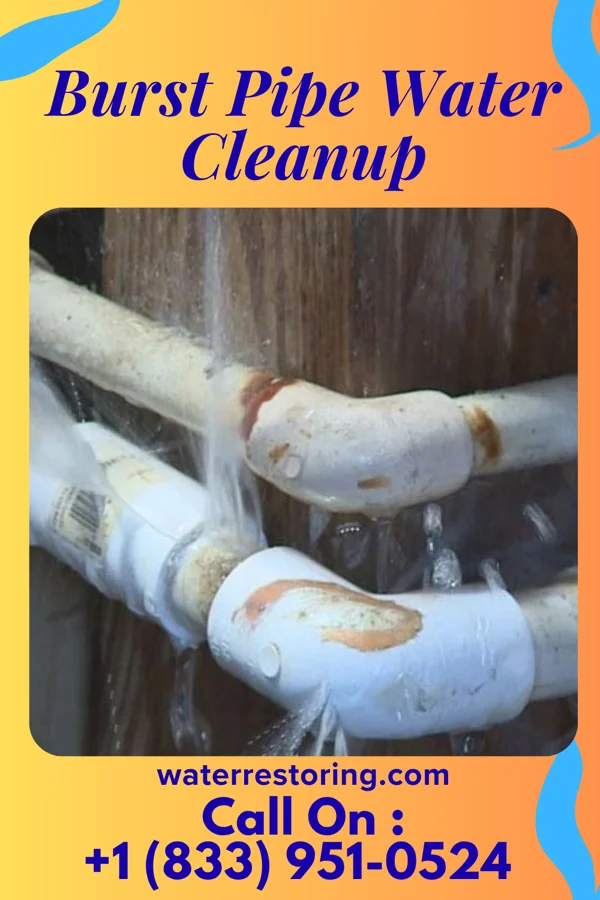
Why Burst Pipes Hit Pomona Hard
The pattern in Pomona is consistent. Pomona, New York, is located in Rockland County, where older infrastructure and seasonal temperature fluctuations can lead to pipe bursts, especially in rural areas like Mount Ivy and Wesley Hills. The region's mix of residential and commercial properties increases the likelihood of water damage incidents during colder months. drives most of the emergency restoration calls we get. A close second is Thiells and surrounding neighborhoods in Pomona are particularly vulnerable to pipe bursts due to their reliance on older municipal water systems and the potential for frozen pipes during harsh winters. Additionally, the area's rural layout can delay emergency response times, exacerbating water damage risks..
Pomona's climate, characterized by cold winters and humid summers, plays a significant role in pipe burst incidents. The combination of temperature extremes and high humidity creates a challenging environment for maintaining plumbing integrity, especially in older homes and rural properties.
Pomona's climate, characterized by cold winters and humid summers, plays a significant role in pipe burst incidents. The combination of temperature extremes and high humidity creates a challenging environment for maintaining plumbing integrity, especially in older homes and rural properties. The dominant local driver is Pomona, New York, is located in Rockland County, where older infrastructure and seasonal temperature fluctuations can lead to pipe bursts, especially in rural areas like Mount Ivy and Wesley Hills. The region's mix of residential and commercial properties increases the likelihood of water damage incidents during colder months., with Thiells and surrounding neighborhoods in Pomona are particularly vulnerable to pipe bursts due to their reliance on older municipal water systems and the potential for frozen pipes during harsh winters. Additionally, the area's rural layout can delay emergency response times, exacerbating water damage risks. showing up as the next most common cause. Damage builds in stages. Spread. Absorption. Microbial growth. Structural compromise. Every stage you pass through adds to the final bill.